
Bottling the "Water of Health," 1919–1943
1919
The company is reorganized under the control of George Tisdale and Harry Huestis of Rhode Island.
1920
Land is purchased at the foot of the mountain for a new bottling plant (built in 1921-22). A tin-lined pipe is laid between the spring house and the new plant.
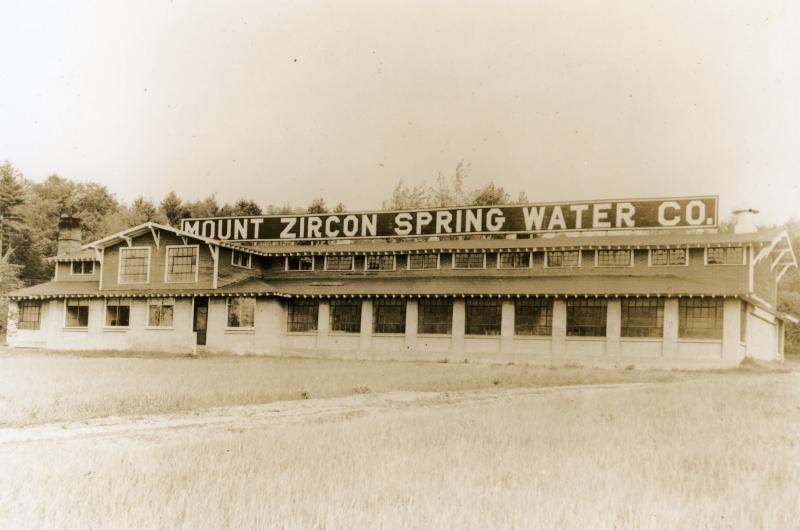
In response to an ever-increasing demand for Mount Zircon products, a much larger bottling plant was constructed alongside the South Rumford road in 1921-1922. The building plans were provided by the Boston engineering firm of Cleverdon, Varney and Pike.
1920s
During this decade, the main office is moved from Boston to Rumford, the work force is increased, delivery trucks are used, bottle-shaped lunch stands are built for publicity purposes, and stories about Indian discovery of spring water appear in print. Ginger Champagne and other drinks are popular. The company’s board is led by Matthew McCarthy and James Kerr.
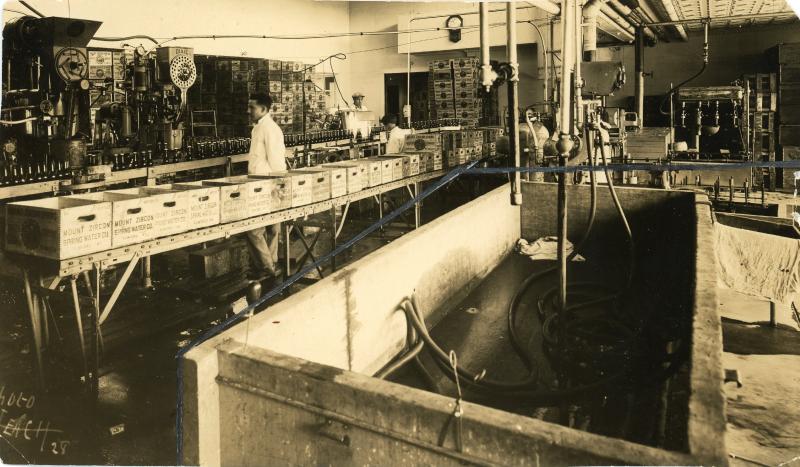
The spacious interior of the new Mount Zircon bottling plant stood in marked contrast to the cramped quarters of the first bottling house, which closed in 1922. Hoses used during the bottling process were flushed out in the tank in the foreground.
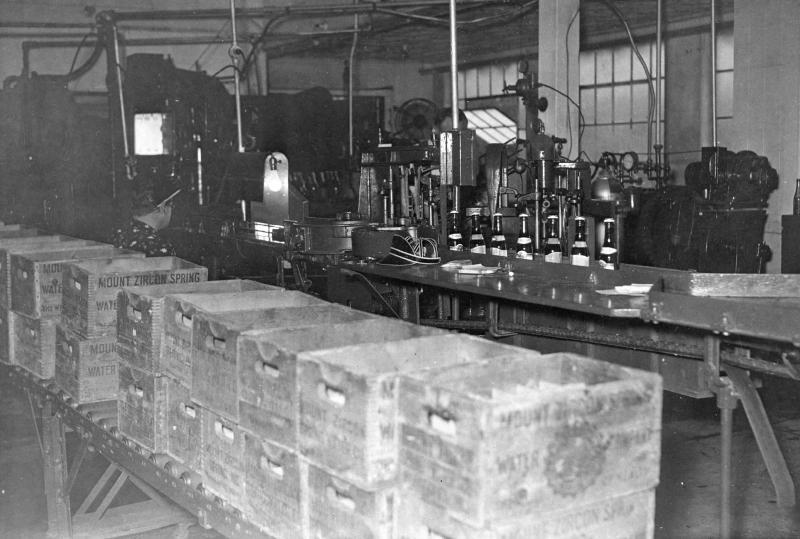
Up-to-date machinery that permitted assembly line production resulted in the Mount Zircon Spring Water Company becoming a major contender in the bottled water and carbonated beverage market along much of the East Coast in the 1920s.
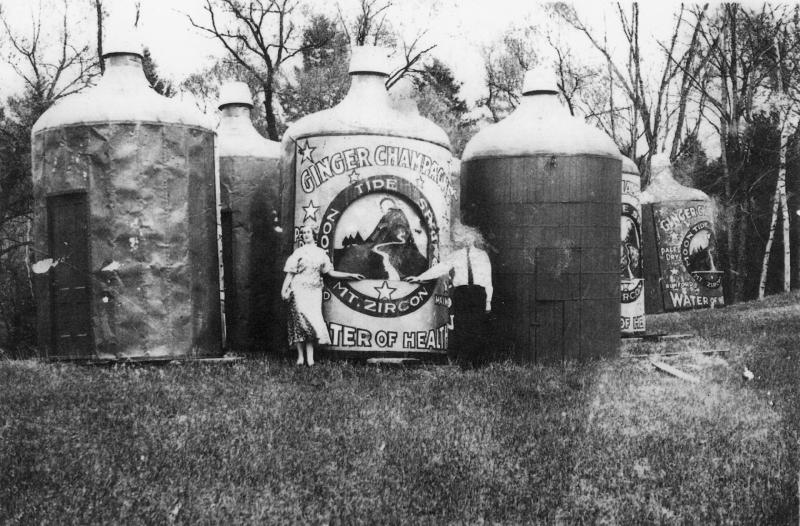
A handful of two-story, bottle-shaped lunch stands framed in wood and covered with a skin of galvanized metal were manufactured by the Mount Zircon Spring Water Company in the early 1920s.
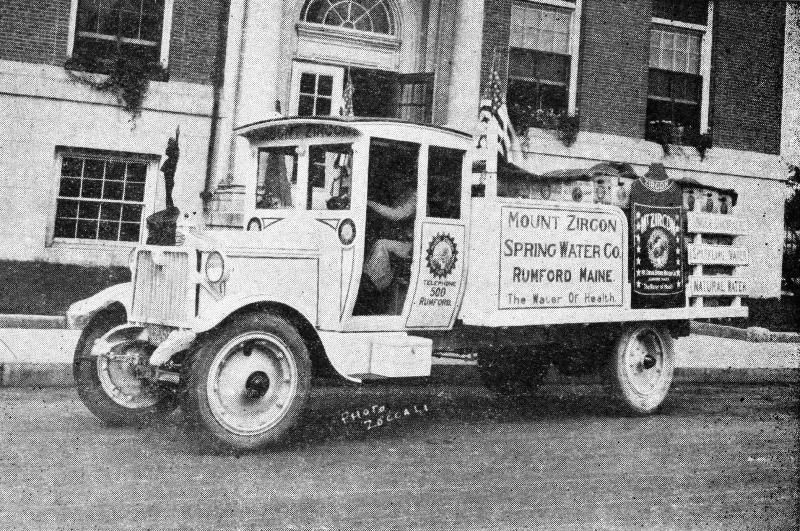
Parked in front of Rumford’s Municipal Building, a Mount Zircon delivery truck from the 1920s displays various types of advertising, including a giant spring water bottle, an “Indian” hood ornament, and the famous Moon Tide Spring logo.
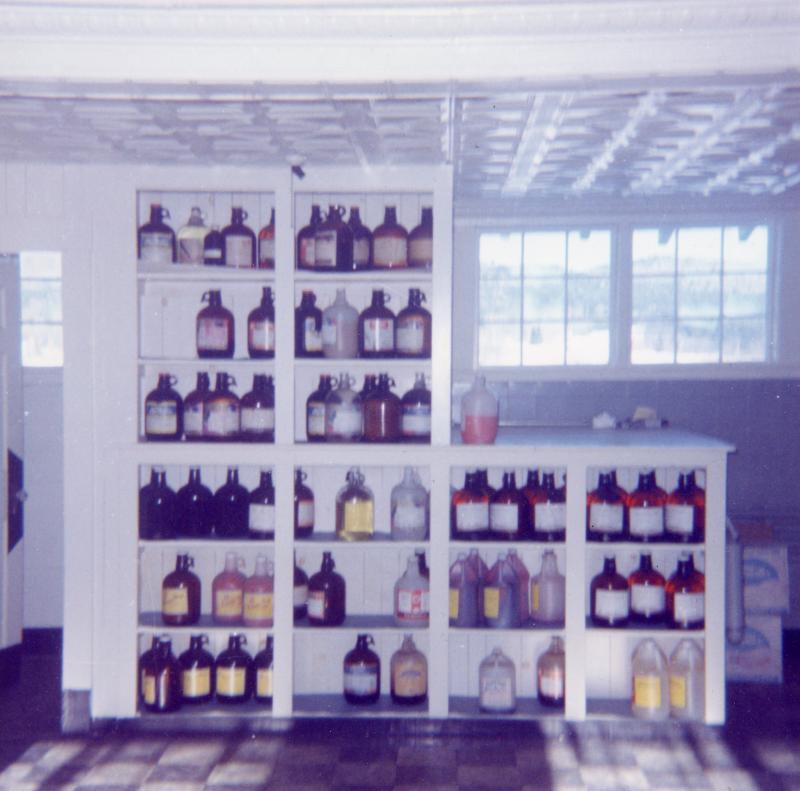
Brightly lit with numerous windows, the “syrup room” on the second floor of the new bottling plant boasted tiled walls and a decorative pressed metal ceiling.
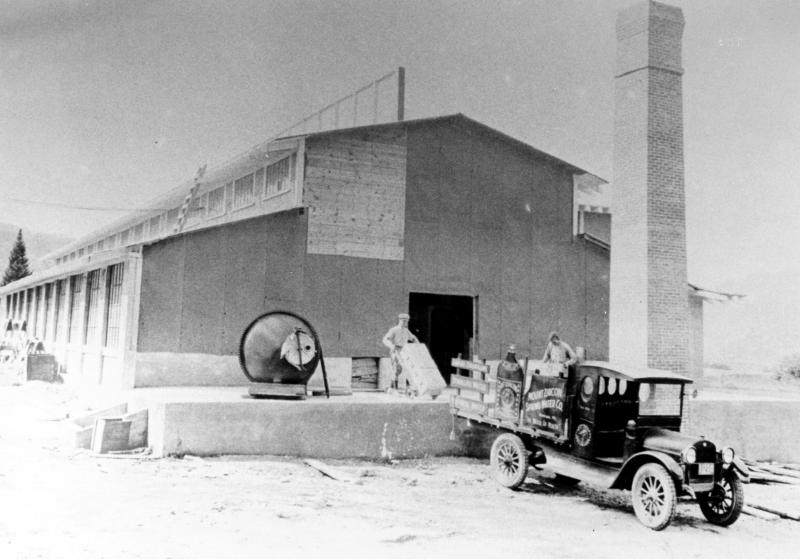
In the expectation that a spur line from the Maine Central Railroad might be extended to the new bottling plant, the loading dock area at its east end was left unfinished for a time. The massive brick chimney was connected to a steam-heating system that kept the cavernous structure warm during many Maine winters.
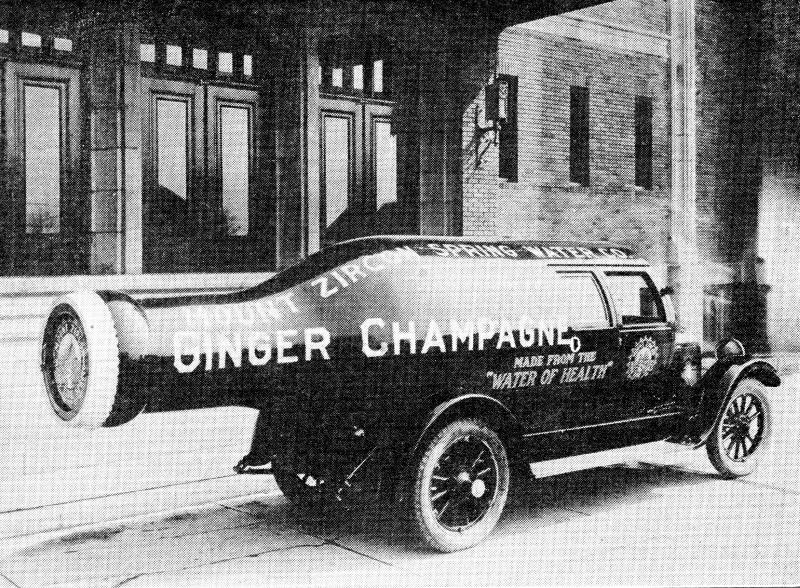
The most ambitious advertising promotion put forth in the 1920s by the Mount Zircon Spring Water Company was an automobile in the shape of a quart container of Ginger Champagne. The vehicle was mainly used in the Boston area.
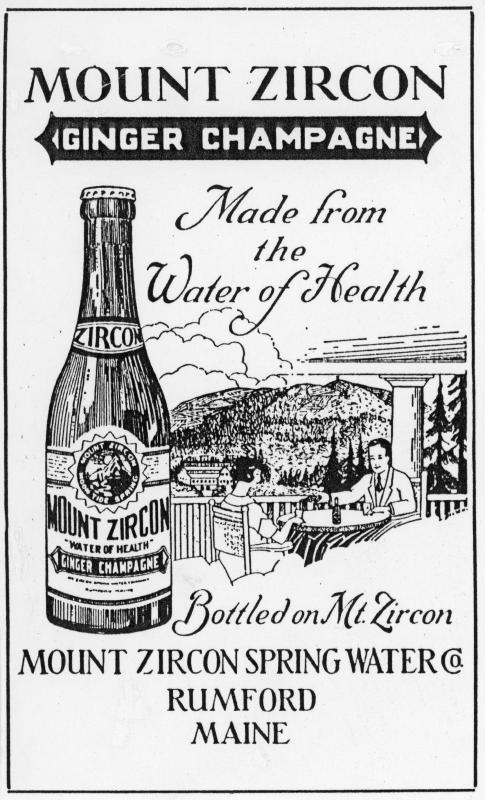
The 1926 advertisement from Sun-Up, Maine’s Own Magazine presented a fairly accurate rendition of Mount Zircon, complete with its new fire tower and bottling plant.
1922
A fire tower is constructed on Mt. Zircon.
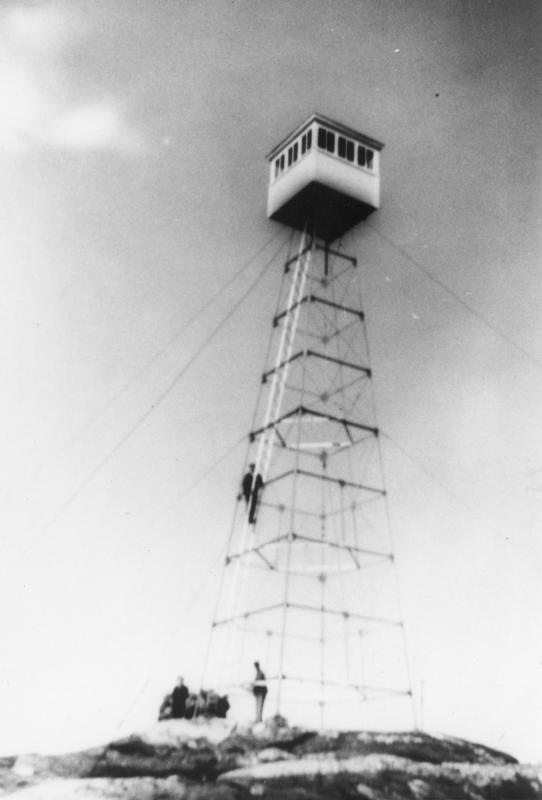
A steel-framed fire tower was erected on the summit of Mount Zircon in the spring of 1922, just as the new bottling plant at the mountain’s base was being prepared for opening.
1931
Herbert Hall patents a “rotary beverage mixer.”
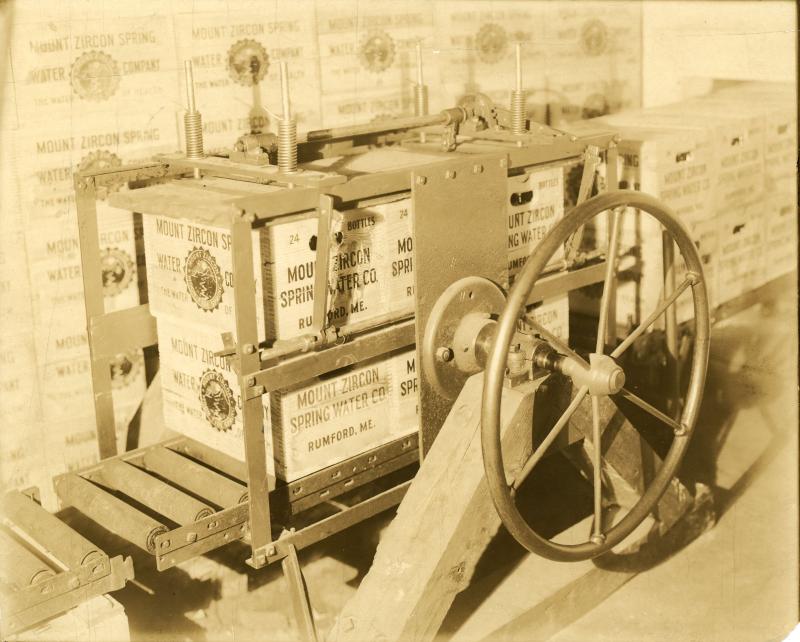
Manager of the bottling operations at Mount Zircon for many years, Herbert Hall was also something of an inventor. His “rotary beverage mixer,” shown here, was capable of handling between six and sixteen cases per minute. Hall received a patent for the machine October of 1931.
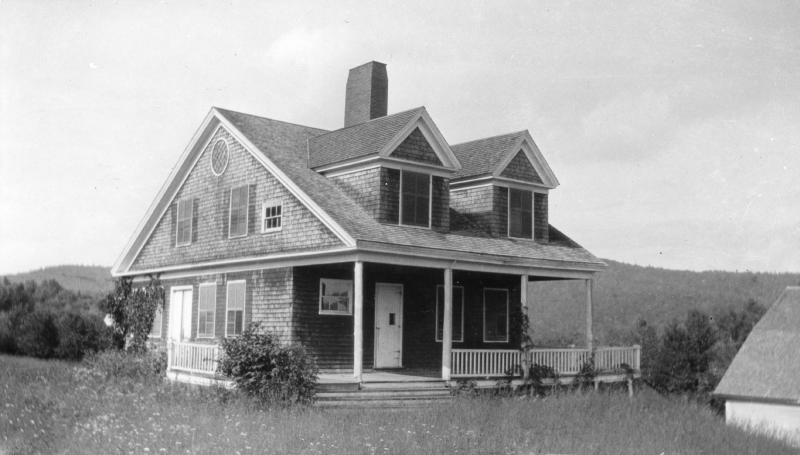
In August 1934 a police raid at the first Mount Zircon bottling house resulted in the uncovering of an illegal still and the arrest of R. H. Brann, then general manager of the Mount Zircon Spring Water Company. The case against Brann was eventually thrown out “for lack of sufficient evidence.”
1935
The company goes bankrupt from effects of the Great Depression. For a brief period, the Rumford Falls Trust Co. assumes ownership.
1936
The 1896 bottling house is dismantled and materials used to build a house on the South Rumford Road, across from Rumford Center village.
1936
The company is reorganized as “Mount Zircon Spring, Inc.”
1943
Frank and Raleigh Linnell purchase the company.
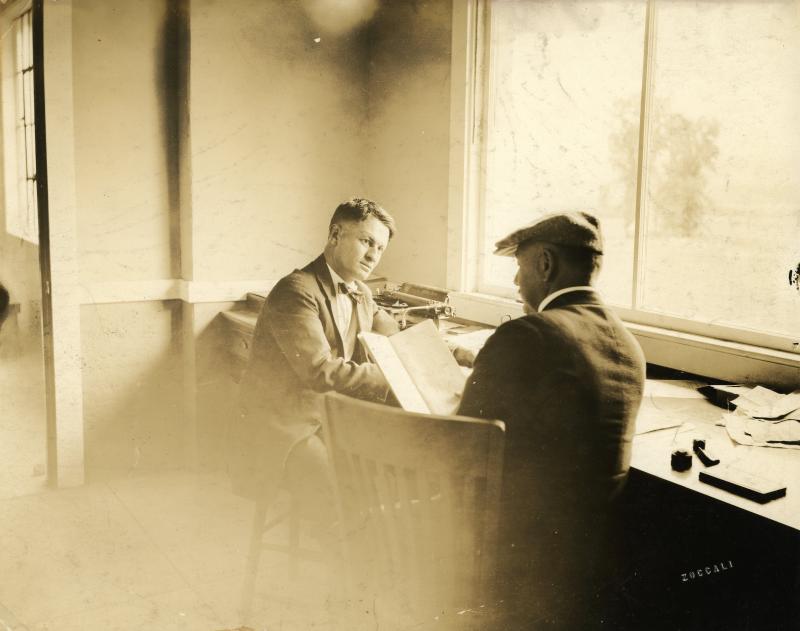
Herbert Hall (on the left) remained with the Mount Zircon firm until around 1944, when a disagreement with the company’s owners over the cost of producing the famous Ginger Champagne (Hall refused to cheapen the recipe) brought about his departure. His daughter, Mildred, however, stayed on for several more years as bookkeeper.